Introduction
Maintaining a healthy lifestyle is essential for living a happy, active, and fulfilling life. In today’s busy world, many people struggle to balance work, family, physical activity, and personal well-being. Unhealthy eating habits, lack of exercise, stress, and insufficient sleep can negatively affect our overall health. However, improving your lifestyle does not require significant changes overnight. Small, consistent steps can make a big difference in your physical and mental well-being.
In this article, we will explore ten simple and effective healthy habits that can help you improve your lifestyle and enjoy a healthier future.
1. Eat a Balanced and Nutritious Diet
A healthy diet is one of the most important foundations of good health. Your body needs essential nutrients, including proteins, carbohydrates, healthy fats, vitamins, and minerals, to function properly.
Include fresh fruits, vegetables, whole grains, nuts, seeds, and protein-rich foods in your daily meals. Try to reduce processed foods, excessive sugar, and unhealthy fats. Eating balanced meals helps maintain energy levels, supports immunity, and promotes overall wellness.
2. Drink Enough Water Every Day
Water plays an important role in maintaining body temperature, supporting digestion, transporting nutrients, and removing waste from the body.
Make drinking water a regular part of your daily routine. Carry a reusable water bottle and drink throughout the day, especially during hot weather or physical activity. Your hydration needs may vary depending on your age, activity level, and climate.
3. Exercise Regularly
Physical activity helps strengthen muscles, improve cardiovascular health, maintain a healthy weight, and boost mood.
You do not necessarily need an expensive gym membership to stay active. Walking, cycling, swimming, yoga, and dancing are excellent ways to exercise. Aim for at least 150 minutes of moderate-intensity physical activity per week, along with muscle-strengthening activities on two or more days.
4. Get Enough Quality Sleep
Sleep is essential for both physical and mental health. During sleep, your body repairs tissues, restores energy, and supports memory and concentration.
Adults generally need seven to nine hours of sleep each night. Maintain a consistent bedtime, avoid excessive screen time before sleeping, and create a comfortable sleeping environment.
5. Manage Stress Effectively
Stress is a common part of modern life, but long-term stress can affect physical and emotional well-being.
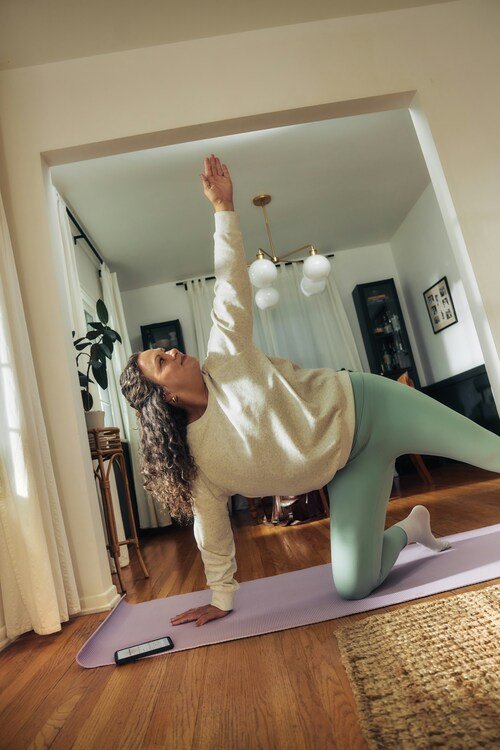
Practice relaxation techniques such as meditation, deep breathing, yoga, or mindfulness. Spending time with family, enjoying hobbies, and taking short breaks can also help reduce stress and improve your mood.
6. Maintain Good Personal Hygiene
Personal hygiene helps prevent infections and supports overall health. Simple practices such as washing your hands regularly, brushing your teeth twice daily, bathing, and keeping your surroundings clean can make a significant difference.
Developing good hygiene habits also helps create a healthier environment for you and your family.
7. Spend Time Outdoors
Spending time outdoors can improve your mood, encourage physical activity, and help you connect with nature.
Take a morning walk, visit a park, or enjoy outdoor activities with friends and family. Safe exposure to sunlight also helps the body produce vitamin D, although individual needs and sun protection are important considerations.
8. Avoid Smoking and Limit Alcohol
Smoking increases the risk of several serious health conditions, including heart disease, lung disease, and cancer. Avoiding tobacco is one of the most beneficial steps you can take for your health.
Alcohol can also affect sleep, liver function, and overall well-being. Avoiding alcohol is the healthiest option for many people.
9. Schedule Regular Health Checkups
Preventive healthcare is important for identifying potential health concerns early. Regular medical checkups can help monitor blood pressure, blood sugar, cholesterol, and other important health indicators.
Consult a qualified healthcare professional about the screenings and vaccinations appropriate for your age, lifestyle, and medical history.
10. Build Positive Daily Routines
Healthy living becomes easier when good habits are part of your everyday routine. Start with small goals, such as walking for 20 minutes, eating one extra serving of vegetables, or going to bed at a consistent time.
Track your progress and celebrate small achievements. Remember that consistency matters more than perfection.
Conclusion
Living a healthy lifestyle does not mean following strict rules or making drastic changes. It means making better everyday choices that support your body and mind. By eating nutritious food, exercising regularly, getting enough sleep, managing stress, and maintaining preventive healthcare, you can gradually improve your overall well-being.
Start with one or two healthy habits today and build on them over time. Your small efforts today can contribute to a healthier and happier tomorrow.